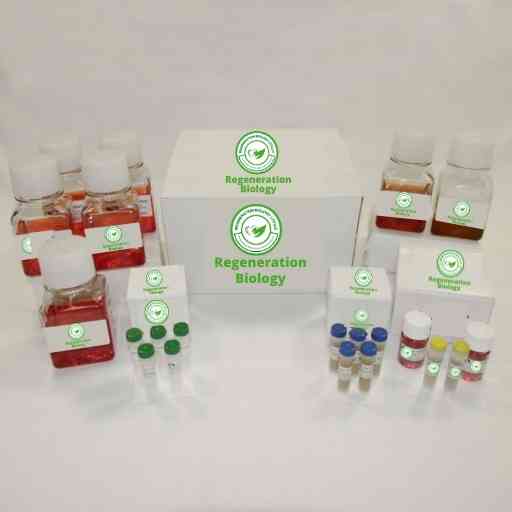
Human Stromal Vascular Fraction (hSVF) Cells
NOTICE FOR USERS
Intended Use: For Research Use Only (RUO). Not for diagnostic or therapeutic use in humans or animals.
Biosafety: While this is a human-derived cell line. Handle using standard BSL-1 practices and precautions. It is the user's responsibility to ensure compliance with all applicable biosafety guidelines.
1. PRODUCT DESCRIPTION
Primary hSVF cells were isolated from an obese donor. This cell line retains the key characteristics of the primary human stromal vascular fraction (hSVF) progenitor population, including multipotent differentiation potential and expression of stromal cell markers, with high reproducibility and consistent performance. It is an invaluable in vitro model for long-term studies in obesity research, diabetes, metabolic disease, and regenerative medicine.
2. KEY FEATURES & APPLICATIONS
| Feature | Benefit |
|---|---|
| Obesity-Specific Genetic Background | Ideal for modeling diseases associated with obesity, such as Type 2 Diabetes, NAFLD, and metabolic syndrome. |
| Multipotent Differentiation Potential | Capable of differentiation into adipogenic, osteogenic, and chondrogenic lineages under specific culture conditions. |
| Stable Phenotype | Maintains a consistent phenotype and genotype over multiple passages, ensuring experimental reproducibility. |
| Express Key Stromal Markers | Positive for CD73, CD90, CD105, and CD44. Negative for hematopoietic (CD45) and endothelial (CD31) lineage markers. |
Primary Research Applications:
Disease Modeling: In vitro modeling of adipocyte dysfunction, insulin resistance, and chronic inflammation associated with obesity.
Drug Discovery & Toxicology: Screening for anti-obesity drugs, insulin sensitizers, and assessing compound toxicity on a metabolically relevant cell type.
Mechanistic Studies: Investigating signaling pathways (e.g., insulin signaling, adipokine secretion), fibrotic responses, and mitochondrial function in an obesity context.
Regenerative Medicine: Studying the role of stromal cells in tissue repair and regeneration from a defined, readily available source.
3. SPECIFICATIONS & CULTURE CONDITIONS
| Parameter | Specification |
|---|---|
| Biosafety Level | BSL-1 |
| Growth Properties | Adherent, fibroblast-like morphology |
| Recommended Medium | Stomal Growth media |
| Passaging | Subculture at 70-80% confluence using Cell Detachment Solution |
| Split Ratio | Recommended 1:3 to 1:4 every 3-4 days |
| Population Doubling Time | ~30-40 hours |
| Preservation Medium | Freeze media |
| Mycoplasma Status | Negative (Tested by PCR) |
4. CHARACTERIZATION DATA
Surface Marker Expression (Flow Cytometry):
Positive for: CD73 (>95%), CD90 (>95%), CD105 (>95%), CD44 (>98%)
Negative for: CD31 (<2%), CD45 (<2%), CD11b (<2%), HLA-DR (<5%)
Functional Validation:
Adipogenic Differentiation: Capable of robust lipid accumulation (Oil Red O staining) upon induction.
Osteogenic Differentiation: Capable of calcium deposition (Alizarin Red staining) upon induction.
Secretion Profile: Secretes relevant adipokines and cytokines (e.g., Leptin, Adiponectin, IL-6) measurable by ELISA.
5. HANDLING INSTRUCTIONS
Thawing Frozen Vials:
Thaw the vial rapidly in a 37°C water bath.
Transfer contents to a tube with pre-warmed complete medium.
Centrifuge gently (200 × g for 5 minutes) to remove DMSO.
Resuspend the cell pellet in fresh complete medium and seed into a culture flask.
Subculturing:
Remove spent medium and rinse with DPBS.
Add cell detachment solution and incubate at 37°C until cells detach (3-5 minutes).
Neutralize using our Neutralization medium.
Centrifuge, resuspend, and seed at the recommended split ratio.
6. QUALITY CONTROL
Each vial is guaranteed to meet the following quality control standards:
Viability post-thaw: ≥ 80%
Sterility: Negative for bacterial and fungal contamination.
Mycoplasma: Tested negative by PCR.
Identity: Verified by morphology and flow cytometry for surface markers.
Function: Validated for multipotent differentiation capacity.
A Certificate of Analysis is provided with each shipment.
7. ORDERING INFORMATION
| Product | Product Number | Format | Quantity |
|---|---|---|---|
| HSVF-AT-OB1 | HSVF-OBRG001 | Cryopreserved | 500,000 cells/vial |
| HSVF-AT-OB1 | HSVF-HSVF-OBRG001-BULK | Cryopreserved | 2,000,000 cells/vial |
Shipping: On dry ice.
Storage: Store in liquid nitrogen vapor phase upon receipt.
KEYWORDS
Adipose-derived stromal cells, Human adipose tissue cells, Regenerative medicine cells, Mesenchymal stem cells (MSCs) Human stromal cells, Tissue regeneration research, Adipose-derived regenerative cells (ADRCs), Cell therapy and tissue engineering, Stem cell isolation from adipose tissue, Stromal cell-based therapy research.
Human stromal vascular fraction cells for regenerative medicine,
Primary hSVF cells isolated from human adipose tissue, Adipose-derived stromal vascular fraction for cell therapy, Human SVF cells for tissue repair and wound healing
Freshly isolated stromal vascular fraction for research use, hSVF cells for regenerative and cellular therapy studies, Stromal vascular fraction adipose stem cell model
CONTACT INFORMATION
Facebook – https://www.facebook.com/plasticconsumables
Instagram – https://www.instagram.com/plasticconsumables/
LinkedIn – https://www.linkedin.com/company/plastic-consumables/about
Twitter (X) – https://x.com/plastic_consum
YouTube – https://www.youtube.com/@PlasticConsummablesLabware